
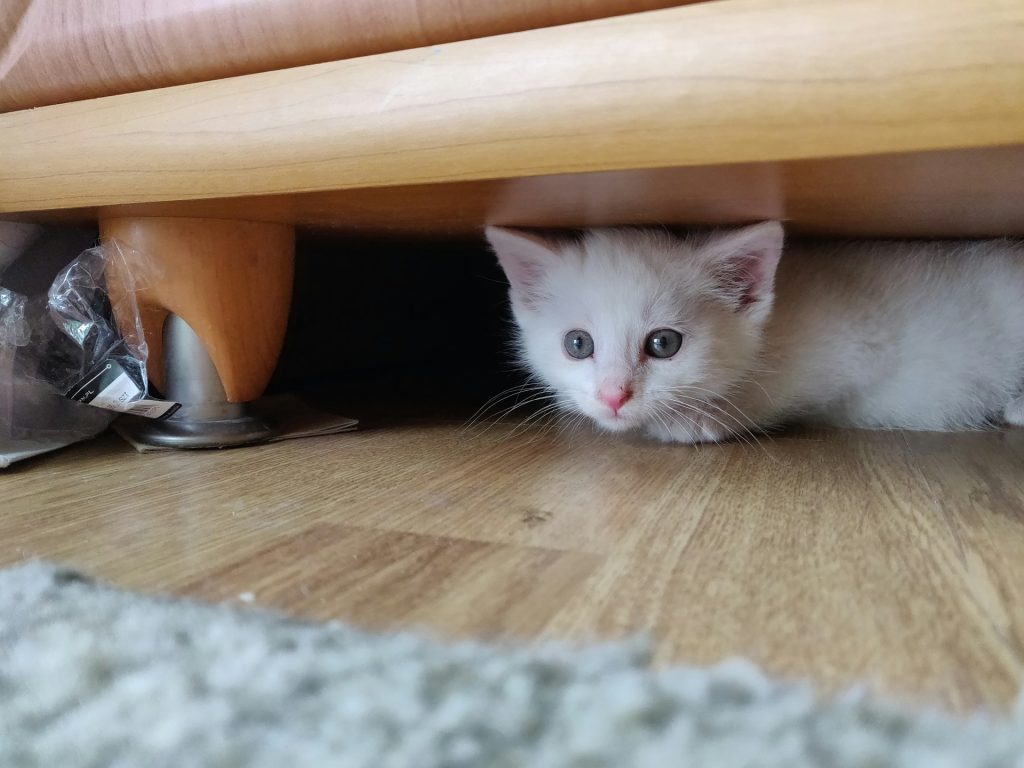
Cats have a reputation for being independent and laid back, but they’re often more sensitive than we realize. A sudden change in routine, a new pet in the house, or even something as simple as rearranging the furniture can throw them off. And because cats are so good at hiding their feelings, stress often shows up in small ways that are easy to miss at first.
Here’s how to recognize signs of stress in your cat and what you can do to help them feel calm and safe again.
What Causes Stress in Cats?
Every cat is different: some take change in stride, while others notice everything. Common stress triggers include:
- Changes at home like moving, remodeling, or even hosting guests can make cats feel unsettled.
- New pets like new dog or another cat can trigger territorial behavior.
- Vet visits or travel can be stressful if your cat doesn’t like carriers, car rides, or strange places.
- Boredom or a lack of stimulation can cause stress for indoor cats. They need enrichment and play to keep stress levels low.
Signs Your Cat May Be Stressed
Stress doesn’t always look like pacing or restlessness. Often, it shows up as changes in behavior or habits. Watch out for things like:
- Hiding more than usual
- Changes in appetite such as skipping meals or suddenly overeating
- Aggression or irritability like hissing, swatting, or biting
- Litter box problems like going outside the litter box
- Overgrooming or licking one area repeatedly, sometimes to the point of hair loss
- Vocalization such as meowing or yowling for no reason
How to Help a Stressed-Out Cat
With a little patience and a few adjustments, you can make your cat feel much better.
- Offer safe spaces. Cats like to know they have a quiet place to retreat, whether it’s a spare room, a high perch, or a covered bed.
- Stick to routines. Meals, playtime, and litter box cleaning need to stay predictable.
- Add enrichment. Interactive toys, scratching posts, and puzzle feeders help prevent boredom and give your cat a healthy outlet for their curiosity.
- Ease transitions. If you’re moving or making changes at home, introduce your cat gradually so they’ll have time to adjust.
When Should You Call the Vet?
Keep in mind that stress can also stem from health issues. A cat who doesn’t feel well may act anxious or withdrawn. Routine vet visits help rule out underlying health issues, so you know whether the behavior is stress-related or medical.
Some stress is temporary, like hiding for a day after you host a party. But if your cat stops eating, avoids the litter box, or their behavior shifts suddenly, it’s time to schedule a checkup. Your vet may suggest bloodwork or other tests to get to the root of the problem.
If your cat seems stressed, you don’t have to figure it out on your own. At LazyPaw Animal Hospitals, we’ll pinpoint exactly what’s going on and create a care plan that supports your cat’s emotional and physical wellbeing.
Contact us today to schedule an appointment in Frisco, Texas.
Images used under creative commons license – commercial use (09/24/2025). Photo by Natasza Rusinek on Unsplash