
Over 10 million pets go missing in the United States every single year. But although this seems like a sad statistic, many of those lost pets end up being happily reunited with their families.
In fact, 52% of microchipped dogs and 38% of microchipped cats find their way back home, compared to considerably lower rates for pets without a microchip ID. Microchipping is the gold standard for pet identification. While a collar can fall off or a tag can fade, a microchip is a permanent solution.
However, many pet owners have concerns about how safe it is to microchip their pets. Let’s review the safety, benefits, and common misconceptions about microchipping, so you can have peace of mind about protecting your beloved companions.
Is It Safe to Microchip Your Pet?
Yes, absolutely. Microchipping is a safe veterinary procedure with minimal risks and very rare side effects.
The microchipping process involves inserting a small chip (the size of a grain of rice) under your pet’s skin. A hypodermic needle goes just between the shoulder blades. It only takes a few seconds, and is similar to a routine vaccination.
The microchip ID is encased in a smooth glass capsule that helps hold it in place and allows new tissue to grow around it, keeping it secure for a lifetime. The chip is biocompatible, so it can safely coexist with body tissue without causing any adverse reactions.
The American Veterinary Medical Association reports that millions of dogs, cats, and other animals have been successfully microchipped with few complications. It’s no more painful than any other injection, so your pet doesn’t need anesthesia for this procedure. And your pet can resume normal activities immediately after microchipping because there is no recovery time.
Does Microchipping Have Any Side Effects?
Side effects from microchipping are extremely rare. The most common one is a minor, temporary soreness at the injection site. It is a similar feeling to getting a shot. Your pet may have some slight swelling or redness, but this will subside without the need for any treatment.
In very rare cases (and we are talking about a handful of instances out of millions of microchipped pets) complications such as infections at the injection site or chip migration may occur.
However, you can significantly minimize these risks by choosing a trusted veterinary clinic. At LazyPaw Animal Hospitals, we always perform the procedure using sterile techniques and following proper protocols, so pet owners have no need to worry.
Is a Microchip a Tracking Device?
Many people wonder if a microchip is actually a tracking device, but it’s not. Microchips are passive radio-frequency identification (RFID) devices. They do not have batteries or GPS capabilities. These devices don’t emit signals and can’t track your pet’s location. Rather, a microchip works more like a barcode on a box of cereal.
This is how a pet microchip works:
- We scan the chip using a reader device.
- The scanner displays a unique identification number.
- We enter that number into the pet recovery database to find the owner’s contact information.
If your lost pet is taken to a veterinary clinic or animal shelter, the staff can check for a microchip, scan for the ID number, and reach out to you.
The American Humane Society emphasizes that even though microchips do not actively track pets, they significantly increase the likelihood of reunification. But in order for a microchip to do its job, you must keep your contact information up to date in the microchip registry.
Protect Your Pet with Safe, Professional Microchipping
So, is it safe to microchip your pet? Yes! Microchipping is one of the best decisions you can make as a responsible pet owner. It carries minimal risk and no significant side effects. More importantly, it has the potential to save your pet’s life by helping you get reunited if your pet ever gets lost.
At LazyPaws Animal Hospital, our veterinary services include safe microchipping performed by experienced veterinarians who care about your pet’s comfort. If you’re ready to give your furry family member the protection they deserve, contact us to schedule an appointment today.
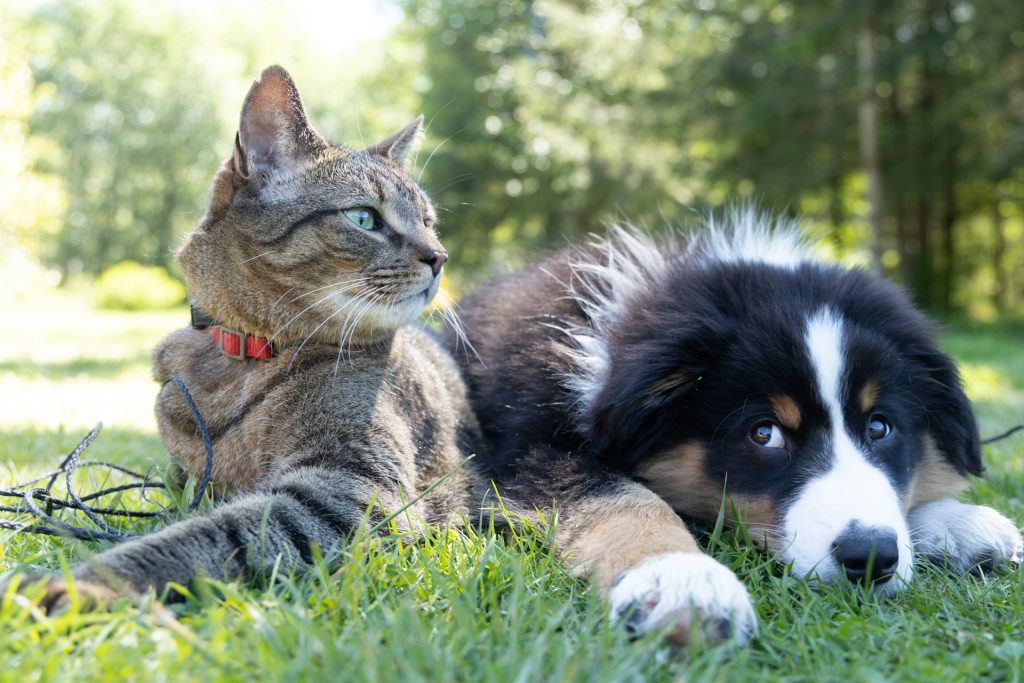
Photo by Andrew S on Unsplash used with permission under the Creative Commons license for commercial use 2/14/26.