
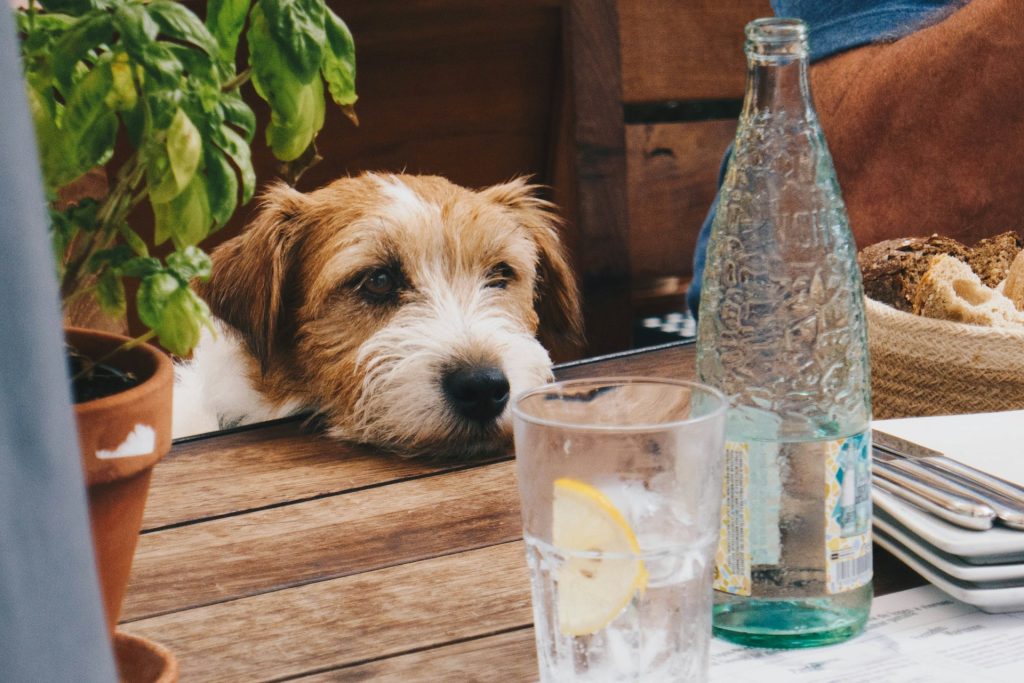
You have your back turned for a minute. That’s all it takes. The next thing you know, you’re wrestling with your terrier, trying to get a macadamia nut cookie out of their mouth before they can eat it.
Or perhaps you’re hanging out in the garage with your labrador, working on an oil change, when your dog starts licking a mysterious puddle on the floor. Vomiting ensues, and suddenly your day off turns into a trip to the emergency vet.
Many common food and household items are toxic to dogs, and since dogs like to taste everything, poisonings are a definite risk. If you have a dog, you need to know which items are dangerous so you can protect your pet.
Ten Things Around the House That Are Poisonous to Dogs
1. Xylitol (It’s in toothpaste)
This sweetener shows up in sugar-free gum, some peanut butters, candy, toothpaste, and baked goods. In dogs, it triggers a dangerous drop in blood sugar and can cause liver failure. According to the FDA’s consumer warning, symptoms can appear within 10 to 60 minutes of ingestion.
2. Medications
Over-the-counter pain relievers like ibuprofen, acetaminophen, and naproxen are highly toxic to dogs. Even a single tablet can cause serious kidney or liver damage, depending on the dog’s size. Prescription medications left on counters or in bags are just as risky. Keep all medications (including vitamins and supplements) out of reach. And don’t ever give your dog medicine that wasn’t prescribed by your veterinarian.
3. Grapes and Raisins
These are surprisingly common toxins. Even small amounts can cause kidney failure in dogs, and the exact toxic component is still being studied, which means there is no known safe dose. Keep grapes, raisins, and any food containing them away from your dog entirely. The ASPCA’s guide on foods to avoid is a helpful resource to save on your phone.
4. Chocolate
Most people know chocolate is bad for dogs, but the level of toxicity depends on the type of chocolate and how much your dog ate. Dark chocolate and baking chocolate are the most dangerous. Symptoms include vomiting, restlessness, rapid breathing, and in serious cases, seizures. If your pet is sick or requires medical attention, contact your vet immediately.
5. Antifreeze
Antifreeze has a sweet taste that dogs find appealing, which makes it especially dangerous. Even a very small amount of ethylene glycol (the active ingredient in most antifreeze products) can cause fatal kidney failure. Puddles in driveways and garages are a real hazard so try to be mindful of what ends up on your garage floor.
6. Cleaning Products
Bleach, drain cleaners, toilet bowl tablets, and many surface sprays are toxic if ingested or if a dog walks through them and licks their paws. Keep cleaning products in secure cabinets and wipe down surfaces with water after use. Even the leftover residue can be enough to cause skin irritation or chemical burns in the mouth and throat.
7. Batteries
Puppies will chew on just about anything, and some don’t grow out of the habit. If you see your dog chewing on a battery, or if you find a chewed-up battery, treat it as an emergency. Batteries contain corrosive materials that can burn right through the mouth, esophagus, and stomach tissues.
8. Onions and Garlic
Onions, garlic, leeks, and other alliums are toxic to dogs in any form: raw, cooked, or powdered. They damage a dog’s red blood cells, which can lead to anemia over time. Because the effects build gradually, it’s important not to feed your dog any food that has been prepared with onion or garlic. And if your dog ever gets into the trash, watch out for symptoms like weakness, pale gums, and labored breathing.
9. Macadamia Nuts
A small handful of macadamia nuts can cause weakness, vomiting, fever, and muscle tremors in dogs. Keep any products containing macadamia nuts well out of reach, including trail mix, baked goods, and granola bars.
10. Essential Oils and Diffusers
Many popular home essential oils, including tea tree, eucalyptus, and cinnamon, are toxic to dogs when inhaled at high concentrations or applied to the skin. Even passive exposure from a diffuser in a small room can cause respiratory issues or neurological symptoms in sensitive dogs.
How to Pet-Proof Your Home
Pet-proofing your home does not have to be overwhelming. Start by eliminating the highest-risk items, and go room by room. Begin with the kitchen and living room, move on to the bathroom and bedrooms, and finish with the garage.
Pet-Proofing Checklist
Store medications, vitamins, and supplements in latched cabinets
Keep purses and bags off the floor and away from curious noses
Use pet-safe cleaning products or rinse surfaces thoroughly after cleaning
Secure trash cans with lids that lock or latch
Store antifreeze, motor oil, and other automotive products on high shelves or in locked cupboards
What to Do If Your Dog Eats Something Poisonous
If you know or suspect your dog ate something toxic, you need to act quickly.
Call your vet or the Animal Poison Control Center right away.
Do not wait for symptoms to appear.
Do not induce vomiting unless a vet specifically tells you to.
Bring the packaging or product with you so the vet knows exactly what was ingested.
Urgent Care for Pets in Frisco, Texas
As long as you know what to look for and how to respond, you can keep your pet safe. You can’t always stop your dog from eating something poisonous, but you can call for help when they get into trouble.
If you think your dog got into something dangerous, and you’re not sure what to do, just give us a call. We’ll tell you what to do next, whether it’s keeping a close eye on your dog for a few more hours or bringing them in for an exam. And if you just want to come straight over, we offer walk-in appointments from 8-1, Monday-Saturday.
Photo by Daniel Brunsteiner on Unsplash with permission under the Creative Commons license for commercial use 3/29/26.