
The doorbell won’t stop ringing, the candy bowl is nearly empty, and somewhere between handing out fun-size chocolate bars and admiring tiny superhero costumes, one piece of candy falls on the floor. Before anyone notices, your dog has snatched it up.
And then everything happens in slow motion. You’re yelling, “Nooooooo!” but it’s too late. Your dog just ate some chocolate, wrapper and all. Now you’re wondering exactly how poisonous chocolate is to dogs, whether you should be worried, and what you should do next.
Why Chocolate Is Poisonous to Pets
Chocolate contains two stimulant compounds called theobromine and caffeine. Dogs and cats simply can’t break them down the way people can. In fact, it takes a dog roughly 17 to 18 hours to process theobromine, compared to about 3 hours for a person, which is why the effects can linger so much longer than you’d expect.
How dangerous is chocolate for dogs?
The darker and more bitter the chocolate, the more theobromine it contains, which is why baker’s chocolate and dark chocolate are far more dangerous than milk chocolate. A large dog stealing a small piece of milk chocolate will probably be okay, but a small dog getting into a bag of dark chocolate is a real emergency.
To put it in perspective, mild symptoms can show up around 20 mg of theobromine per kilogram of body weight, with cardiac effects kicking in around 40 to 50 mg/kg and seizures possible above 60 mg/kg. Since baking chocolate packs several times more theobromine than milk chocolate ounce for ounce, it doesn’t take much for a small dog to cross into dangerous territory.
What if my cat eats chocolate?
Ounce for ounce, cats are actually more sensitive to the theobromine in chocolate than dogs, though they tend to be pickier eaters and less likely to go digging through a candy bowl in the first place. Either way, the danger is real for both species.
Depending on how much chocolate they ate, symptoms can range from mild vomiting and an upset stomach all the way up to a racing heart, tremors, or even seizures.
Symptoms often won’t show up until 6 to 12 hours later, so a cat who seems totally fine right after the fact isn’t necessarily in the clear. That’s exactly why it’s worth calling your vet as soon as you know chocolate has been eaten, rather than waiting to see if symptoms show up first.
What to Do If Your Dog Eats Halloween Candy
If you know or suspect your pet got into the candy, don’t wait around to see what happens. Try to figure out what kind of candy he ate, how much, and when. Then call us right away. If it’s after hours, call the Pet Poison Control hotline. They’re available 24/7 and can answer your questions and tell you what to do next.
Signs Your Pet Got Into the Candy Bowl
Symptoms of poisoning can take a few hours to show up, so don’t assume everything is fine just because your dog seems normal right after sneaking a treat. Watch for restlessness, vomiting, diarrhea, a racing heart, or muscle tremors.
Candy Wrappers Can Be Dangerous, Too
Wrappers are their own hazard, separate from the candy itself. Foil and cellophane can bunch up and cause a blockage in the intestines, which sometimes needs surgery to fix. If your dog swallowed a wrapper along with the candy, that’s a reason to call us even if the chocolate itself was a small amount.
At LazyPaw in Frisco, we offer walk-in and urgent care appointments, so there’s no need to wait it out. If something seems off with your pet, you can call us or come on in.
Simply Ways to Enjoy a Pet-Friendly Halloween
A few small habits go a long way during trick-or-treat season. Keep the candy bowl on a high shelf or counter instead of the floor by the front door, and ask kids to hand out treats themselves rather than letting a curious dog get too close to the bowl.
If you’re putting up other Halloween decorations, remember that there are plenty of other things that can get a curious pet into trouble. Fake cobwebs and string lights are basically an invitation to chew on or get tangled up in. Candles and lit jack-o’-lanterns are a real burn risk if a tail swipes too close.
Glow sticks won’t poison your pet, but if they bite into one the taste is so bad that they’ll start drooling and foaming like something’s seriously wrong. And those batteries you need for motion-sensor decorations? Chewed open, they can cause nasty chemical burns, so keep them tucked away where paws can’t reach.
Walk-in Veterinary Appointments in Frisco
If your pet gets into some chocolate or finds a piece of Halloween candy on the sidewalk, don’t get scared. The LazyPaw vets are here to make sure everything is okay, and to provide treatment if it’s not.
Just give us a call to get our advice, or bring your pet in for an exam if you’re really worried. It’s always better to be safe than sorry, and that’s why we offer walk-in appointments. For convenient pet care when you need it most, go to LazyPaw Animal Hospitals.
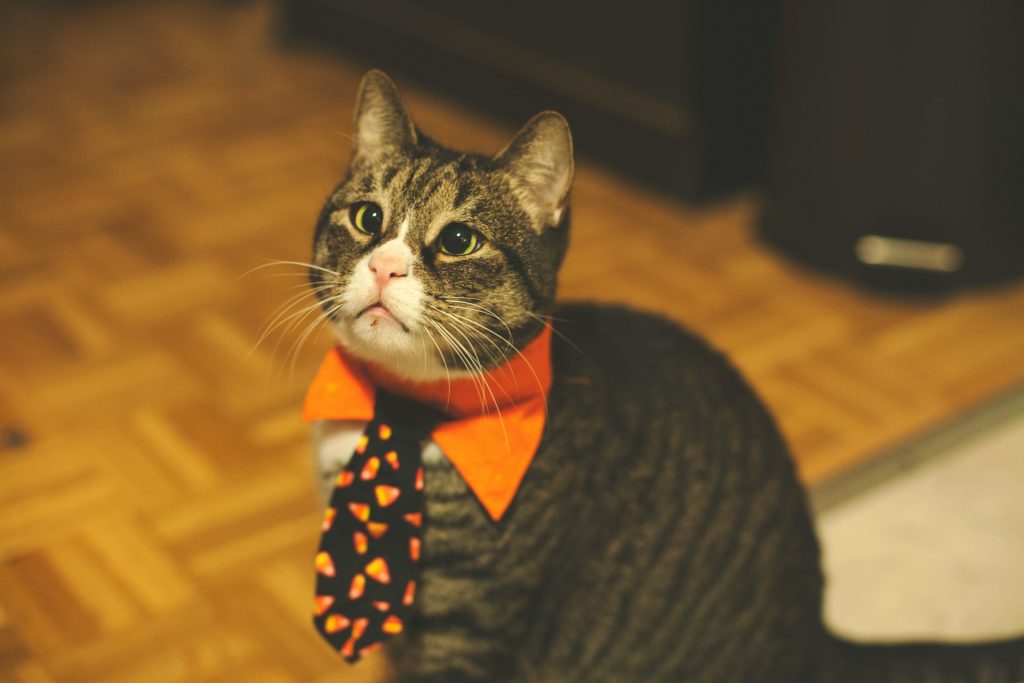
Photo by Brandon Griggs on Unsplash with permission under the Creative Commons license for commercial use 8/21/26.