
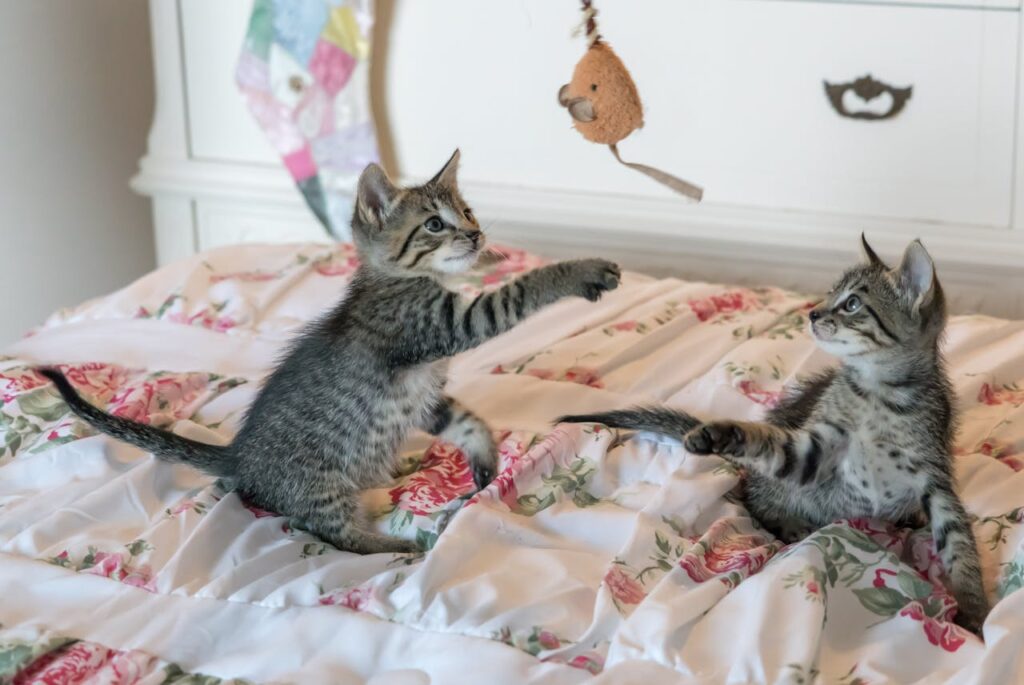
Your cat may not wander far beyond the couch, but that doesn’t mean they’re safe from disease. Whether they’re indoor-only or outdoor adventurers, cats in Texas face many real—and preventable—health risks.
Vaccinations matter, because they protect your cat from contagious diseases. They also stop the spread of disease to other pets, and in some cases, to people as well. Some vaccines are required, while others may be recommended, based on your cat’s age and lifestyle. Here’s what you need to know.
Do Indoor Cats Really Need Vaccinations?
It’s easy to assume that if your cat stays inside, vaccines shouldn’t be necessary. But even house cats can face risks. That’s why core vaccines are still important, even for strictly indoor cats.
- Wildlife like bats and rodents can get into homes.
- Some viruses can spread via shoes or clothes.
- Even the laziest housecats might escape and get lost or trapped outside.
Aside from regular checkups, vaccines are one of the most effective ways to give your cat a longer, healthier life.
Vaccinating your cat has many benefits:
- It prevents life-threatening illnesses, especially for kittens.
- Vaccines reduce the spread of disease among animals in your community.
- It protects the pets and people in your home.
Why Cat Vaccines Matter in Texas
The heat, humidity, and abundance of wildlife in Texas make it easy for diseases to spread. From shared air at the groomer to surprise visits from raccoons, your cat’s immune system needs the support that vaccines provide.
Not sure which shots your cat actually needs, or how often they need boosters? We’ve got you covered. Here’s a breakdown of what matters most when it comes to keeping your cat healthy and up-to-date on their vaccines in the Lone Star State.
Core Vaccines
These vaccines prevent the most contagious and dangerous diseases. At LazyPaw, we recommend core vaccines for all cats, no matter their age, breed, or how strictly they stick to indoor life.
1. Rabies
Rabies is fatal, untreatable, and spreads through the bites from infected animals. It’s also required by law for all cats in Texas.
Even indoor cats can be exposed if a bat gets into the home or during an unexpected escape. And because rabies can spread to humans, keeping your cat protected means your family is protected too.
- First dose: By 16 weeks of age
- Boosters: 1 year later, then every 1-3 years, depending on the type of vaccine
2. FVRCP (Feline Viral Rhinotracheitis, Calicivirus, Panleukopenia)
This combination vaccine protects against three major feline diseases:
- Feline Viral Rhinotracheitis (FVR): Caused by feline herpesvirus, it leads to sneezing, eye discharge, chronic infections, and lifelong respiratory issues.
- Calicivirus (FCV): Another upper respiratory virus that can cause mouth ulcers and pneumonia.
- Panleukopenia (FPL): Also known as feline distemper. It attacks the immune system and GI tract and is especially dangerous for kittens.
These viruses spread easily through the air and can be carried in on shoes, clothes, or other animals.
- First dose: 6-8 weeks old
- Boosters: Every 3-4 weeks until 16 weeks, then again at 1 year
- Ongoing: Every 1-3 years, depending on your cat’s health and risk level
Lifestyle-Based Vaccines: Optional, But Often Recommended
Our veterinarians may recommend additional vaccines for cats that live outdoors or in multi-cat households. Kittens can often benefit from these vaccines as well, because they are more vulnerable to deadly diseases.
1. Feline Leukemia Virus (FeLV)
FeLV weakens the immune system and increases the risk of cancer. It spreads through close contact with infected cats, like mutual grooming, sharing bowls, or bites. Even if your cat lives indoors now, this vaccine is often part of the kitten series—just in case their lifestyle changes later.
- Recommended for: All kittens, outdoor cats, or cats living with other felines
- First dose: 8-12 weeks
- Booster: 3-4 weeks later, then annually if still at risk
2. Chlamydophila felis
This bacterial infection spreads quickly in crowded cat environments. It causes runny eyes, conjunctivitis (inflammation of the eyelid membrane) and upper respiratory symptoms such as sniffling and sneezing. In kittens, it can cause pneumonia and may be fatal.
- Recommended for: Cats in shelters, rescues, or homes with multiple cats
- First dose: 8-9 weeks
- Booster: 3-4 weeks later, then yearly if the exposure risk persists
Cat Vaccines in Frisco, Texas
At LazyPaw Animal Hospitals, we tailor every vaccine schedule to your cat’s age, environment, and personality—because no two cats are alike.
If you’re in Frisco or the surrounding areas and want to make sure your cat is fully protected, we’re here to help.
Schedule an appointment today. We’ll walk you through what your cat needs and help them stay healthy, confident, and completely in charge.
Images used under creative commons license – commercial use (06/25/25). Photo by Pixabay on Pexels.